
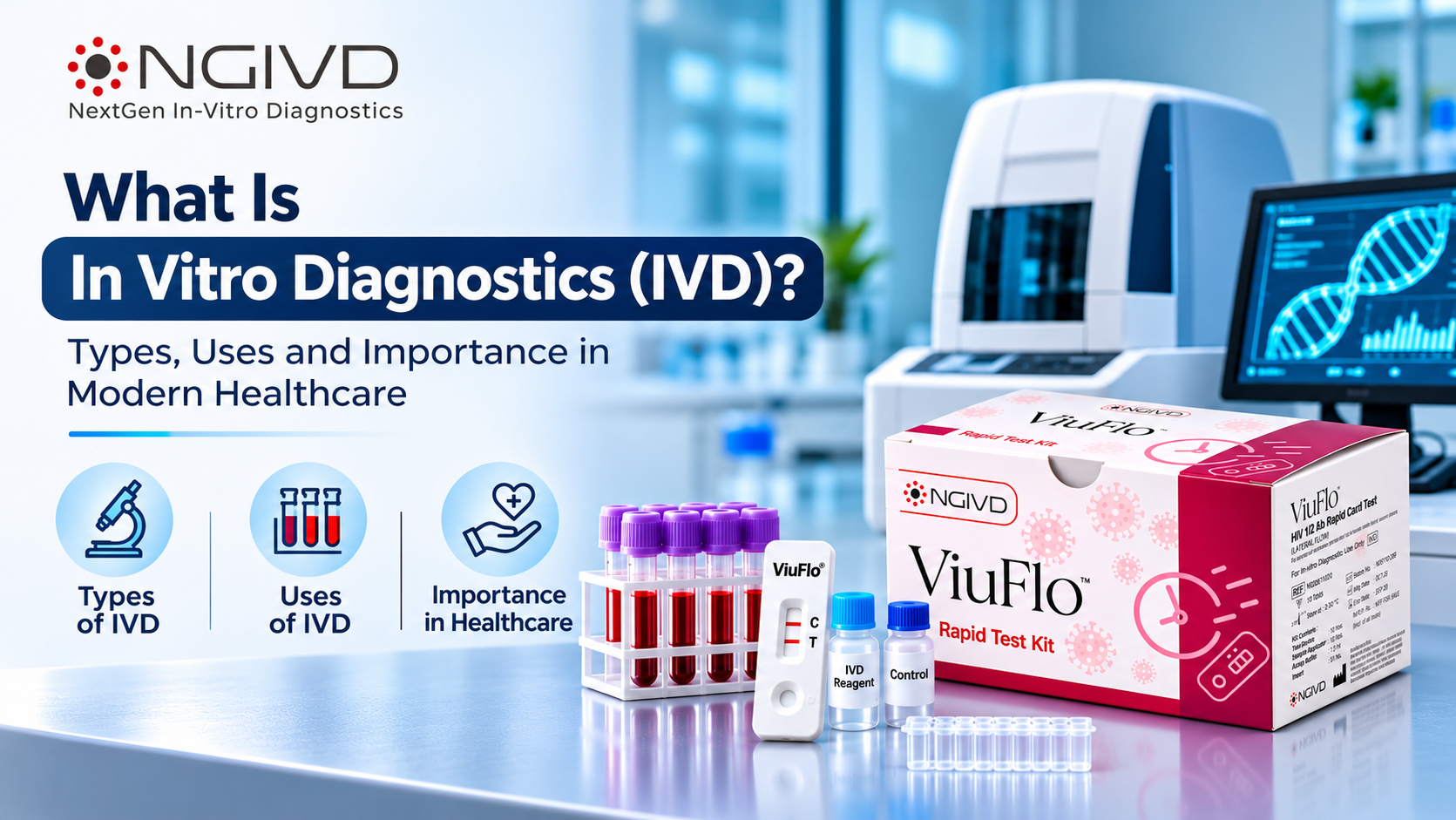
Every effective healthcare decision begins with the right information. Whether it is identifying an infection, monitoring blood sugar levels, assessing organ function or detecting a serious medical condition, diagnostic testing plays a vital role in helping healthcare professionals understand what is happening inside the human body.
One of the most important technologies supporting this process is In Vitro Diagnostics (IVD). From routine blood tests conducted in diagnostic laboratories to rapid tests used at healthcare facilities and advanced molecular tests that detect genetic material, IVD technologies have become an essential part of modern healthcare.
But what exactly is In Vitro Diagnostics? How do IVD devices work, what are their different types, and why are they so important for hospitals, laboratories and patients? Let’s explore.
What Is In Vitro Diagnostics (IVD)?
In Vitro Diagnostics (IVD) refers to medical tests performed on samples collected from the human body, such as blood, urine, saliva or tissue, to detect diseases, infections, medical conditions or changes in a person’s health.
The term in vitro literally means “in glass”. It describes tests conducted outside the human body, usually in a laboratory, diagnostic facility or healthcare setting using specialised instruments, reagents and testing kits. In simple terms, when a blood or urine sample is collected and examined using a diagnostic kit or laboratory analyser to understand a person’s health, it is an example of In Vitro Diagnostics.
According to the World Health Organization (WHO), IVDs help detect diseases, conditions and infections and support healthcare professionals in making appropriate treatment decisions.
Examples of common IVD tests include:
- Blood glucose tests to monitor blood sugar levels.
- Dengue and malaria tests to detect infections.
- HIV and hepatitis tests to identify viral infections.
- Haematology tests to examine blood cells and support the diagnosis of blood-related conditions.
- Clinical chemistry tests to assess kidney, liver and other organ functions.
- Molecular diagnostic tests to identify specific genetic material associated with infections or other conditions.
IVD testing provides valuable information that helps healthcare professionals make informed decisions about patient care.
What Are In Vitro Diagnostic Medical Devices?
In Vitro Diagnostic Medical Devices (IVD medical devices) are the products, equipment and systems used to perform diagnostic examinations on biological samples. These devices may be used individually or together, depending on the type of test and the diagnostic requirements.
The category includes much more than testing kits. It also covers diagnostic reagents, calibrators, control materials, laboratory instruments, analysers, specimen collection containers and certain software systems. Some of the major types of in vitro diagnostic devices and products include:
1. Diagnostic Reagents
Reagents are chemical or biological substances used in diagnostic testing to identify or measure specific components in a sample. They play an important role in clinical chemistry, immunology and other laboratory testing applications.

For example, clinical chemistry reagents are used to measure parameters such as glucose, cholesterol, creatinine, uric acid and liver function markers.
2. Rapid Diagnostic Test Kits
Rapid diagnostic test kits are designed to provide test results within a relatively short period, often without requiring sophisticated laboratory infrastructure. Many rapid tests use lateral flow technology, where a biological sample moves across a test strip and produces a visible result.

Common applications include:
- Dengue testing
- Malaria testing
- HIV testing
- Hepatitis B (HBsAg) testing
- Hepatitis C (HCV) testing
- Syphilis testing
- Other infectious disease screening applications
These tests are particularly useful in settings where timely diagnostic information and accessibility are important.
3. Clinical Chemistry Analysers
Clinical chemistry analysers are laboratory instruments used to measure different chemical substances in blood, serum, plasma and other biological samples. They support routine biochemical investigations, including:
- Blood glucose
- Total cholesterol
- Triglycerides
- Creatinine
- Urea
- Liver function parameters
- Electrolytes
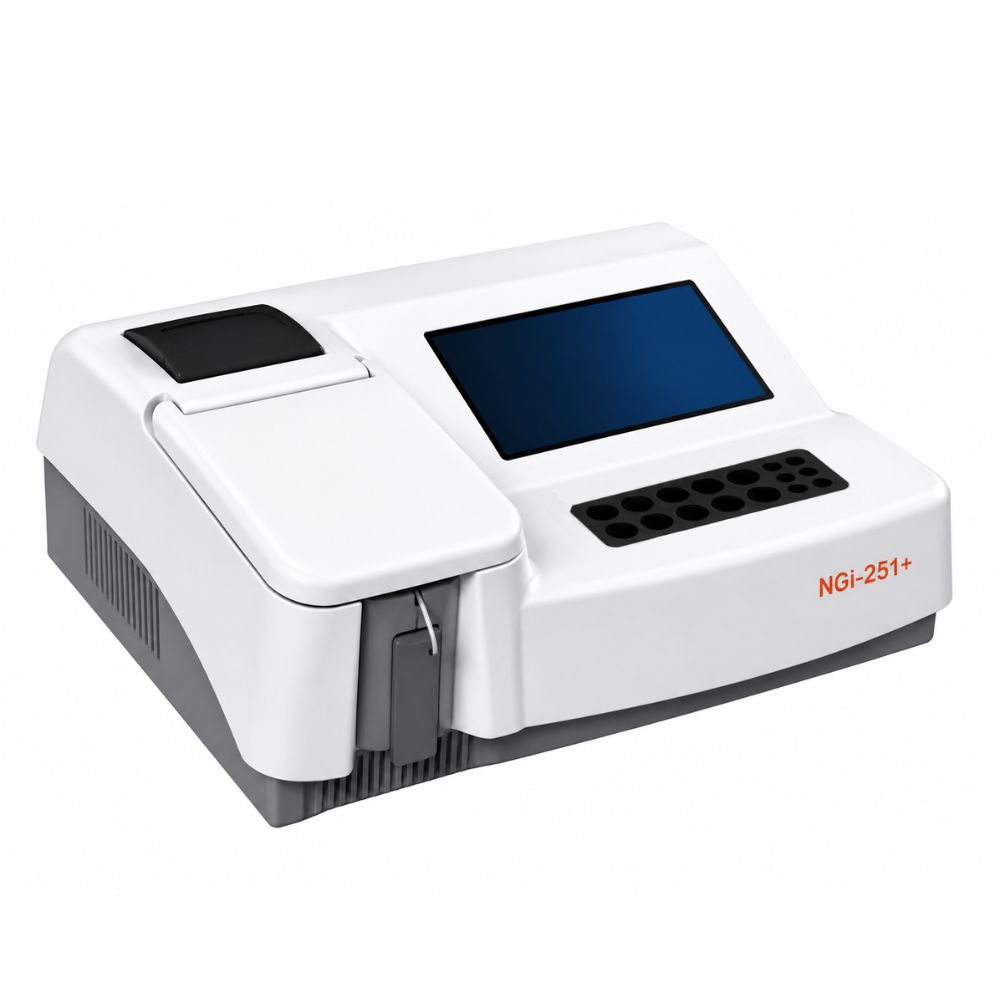
Depending on their configuration, these analysers may be semi-automated or fully automated, helping laboratories improve testing efficiency and process larger sample volumes.
4. Haematology Analysers
Haematology analysers are instruments used to examine blood samples and measure different blood cell parameters. One of their most common applications is the Complete Blood Count (CBC) test.

These instruments help measure parameters such as:
- White Blood Cell (WBC) count
- Red Blood Cell (RBC) count
- Haemoglobin (HGB)
- Platelet (PLT) count
- Haematocrit (HCT)
- Mean Corpuscular Volume (MCV)
Haematology testing supports the assessment of conditions such as anaemia, infections and other blood-related disorders.
5. Molecular Diagnostic Kits and Reagents
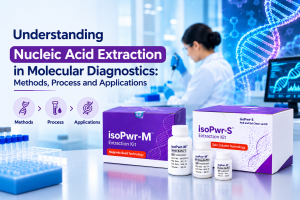
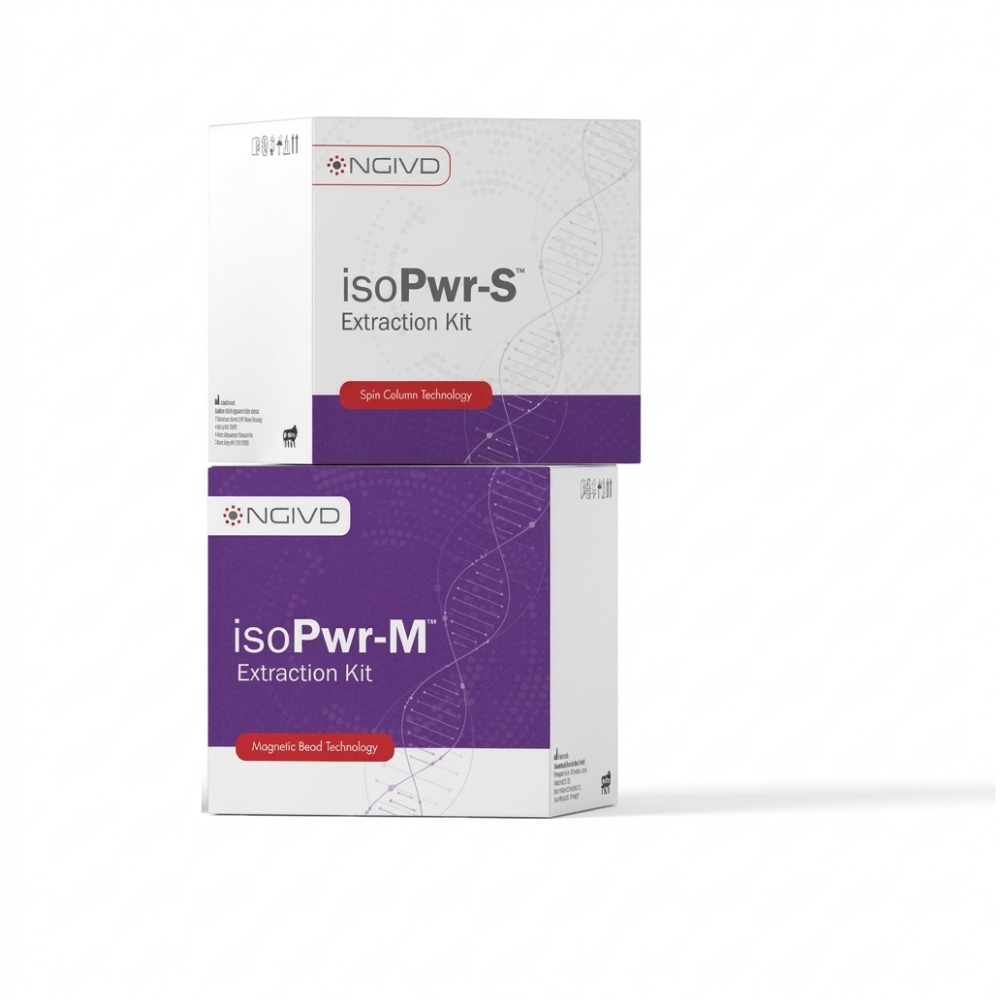
Molecular diagnostics involves examining genetic material, such as DNA or RNA, to identify specific organisms, genetic variations or disease-associated markers. Techniques such as Polymerase Chain Reaction (PCR) and Real-Time PCR (RT-PCR) are widely used in molecular testing. Molecular diagnostic products include nucleic acid extraction kits, PCR reagents, amplification mixes and other specialised laboratory consumables. These technologies are especially important in infectious disease testing, genetic analysis and advanced diagnostic applications.
How Does In Vitro Diagnostic Testing Work?
Although different diagnostic tests use different technologies, most IVD testing follows a similar process.
Step 1: Sample Collection
A biological sample is collected from the patient. Depending on the test, this may be blood, serum, plasma, urine, saliva or another specimen.
Step 2: Sample Preparation
The collected sample is prepared according to the test requirements. This may involve separation, dilution, extraction or other processing steps.
Step 3: Testing and Analysis
The prepared sample is examined using the appropriate diagnostic kit, reagent or instrument.
For example:
- A rapid test kit may detect a specific antigen or antibody.
- A clinical chemistry analyser may measure biochemical parameters.
- A haematology analyser may count and analyse different blood cells.
- A PCR system may detect specific DNA or RNA sequences.
Step 4: Result Generation
The test produces a result in the form of a visible indicator, numerical measurement, analytical report or molecular detection output.
Step 5: Clinical Interpretation
A qualified healthcare professional interprets the results alongside the patient’s symptoms, medical history and other relevant clinical information to guide further investigation or treatment.
What Are the Different Types of IVD Tests?
IVD tests can be classified according to the technology used, the parameters being examined and their intended diagnostic applications. Some of the most widely used categories are:
| Type of IVD Testing | Primary Application |
|---|---|
| Clinical Chemistry | Measures biochemical substances in blood and other samples. |
| Haematology | Examines blood cells and related parameters. |
| Immunology | Studies immune responses and related biological markers. |
| ELISA Testing | Detects or measures specific antigens and antibodies. |
| Rapid Testing | Provides timely detection of selected infections and conditions. |
| Molecular Diagnostics | Detects specific DNA or RNA sequences. |
| Point-of-Care Testing (POCT) | Enables diagnostic testing near the patient or at the point of care. |
| Coagulation Testing | Evaluates blood clotting functions. |
| CLIA Testing | Uses chemiluminescence-based technology to detect or measure specific analytes. |
Each category serves a different purpose, and the selection of a particular testing method depends on the clinical requirement, sample type, available infrastructure and intended use.
Why Are In Vitro Diagnostics Important in Healthcare?
The importance of IVD testing goes beyond simply identifying a disease. It provides information that supports several stages of healthcare, from routine screening to treatment monitoring.
1. Early Detection of Diseases
Many health conditions can be difficult to identify through symptoms alone, particularly during their early stages. Diagnostic testing helps identify relevant biological markers and infections, allowing healthcare professionals to investigate potential health concerns earlier.
2. Accurate Clinical Decision-Making
Reliable laboratory results provide valuable information for doctors and other healthcare professionals when assessing a patient’s condition and deciding on appropriate next steps.
3. Monitoring Treatment Progress
IVD tests are also used to monitor changes in a patient’s health over time. For example, blood glucose testing helps monitor diabetes management, while other laboratory investigations can help assess organ function and treatment response.
4. Supporting Infectious Disease Control
Rapid and laboratory-based diagnostic tests are essential for identifying infectious diseases and supporting disease surveillance. Tests for dengue, malaria, HIV, hepatitis and other infections help healthcare systems identify cases and make informed decisions about patient management.
5. Improving Access to Healthcare
Point-of-care testing and rapid diagnostic kits can make testing more accessible, particularly in primary healthcare centres, smaller laboratories and areas with limited diagnostic infrastructure.
6. Strengthening Preventive Healthcare
Routine diagnostic investigations can help identify health risks and abnormalities before they develop into more serious complications. This makes IVD technologies an important part of preventive healthcare and routine health monitoring.
IVD Testing vs In Vivo Diagnostics: What Is the Difference?
The terms in vitro and in vivo refer to two different approaches to medical investigation.
| Basis | In Vitro Diagnostics | In Vivo Diagnostics |
|---|---|---|
| Meaning | Testing outside the living body | Examination or testing within the living body |
| Sample or Subject | Biological samples such as blood, urine or tissue | The living human body |
| Method | Laboratory tests, diagnostic kits and analysers | Imaging and other procedures performed on or within the body |
| Examples | Blood tests, PCR tests, rapid antigen tests | X-rays, MRI and ultrasound |
| Purpose | Analyse biological samples to obtain diagnostic information | Examine internal structures or physiological functions |
Both approaches contribute to healthcare, but they serve different diagnostic purposes.
What Should Laboratories Consider When Choosing IVD Products?
Selecting suitable IVD products is an important decision for diagnostic laboratories, hospitals and healthcare facilities. The quality and suitability of diagnostic products can influence laboratory operations, testing reliability and overall efficiency.
Here are some important factors to consider:
1. Quality and Performance
Choose products that have appropriate performance evidence, validated specifications and consistent quality.
2. Accuracy and Reliability
Diagnostic products should demonstrate suitable analytical performance for their intended use. Factors such as sensitivity, specificity, precision and reproducibility may be important depending on the test.
3. Compatibility with Laboratory Equipment
For reagent-based testing, compatibility with the laboratory’s analyser or testing platform is essential.
4. Ease of Use
Products should have clear instructions, straightforward workflows and practical handling requirements.
5. Storage and Stability
Check the recommended storage conditions, shelf life and stability requirements to ensure that products maintain their intended performance.
6. Manufacturer Support
A reliable IVD manufacturer should provide appropriate technical documentation, product guidance and customer support.
7. Regulatory Compliance
Ensure that the products meet the applicable regulatory requirements in the relevant market. In India, this includes the applicable requirements under the Medical Devices Rules, 2017 and related CDSCO provisions.
The Growing Importance of IVD Manufacturing in India
India’s healthcare sector is evolving rapidly, with increasing demand for accessible, dependable and affordable diagnostic solutions. Diagnostic laboratories, hospitals, healthcare institutions and medical distributors require a consistent supply of quality IVD products to support their growing testing requirements.
This creates an important opportunity for domestic IVD manufacturers to strengthen India’s diagnostic manufacturing ecosystem. The focus is not simply on manufacturing more products, but on developing solutions that combine quality, innovation, affordability and reliability.
Indian manufacturers can contribute to this progress by investing in:
- Research and development.
- Advanced manufacturing capabilities.
- Quality management systems.
- Product validation and performance evaluation.
- New diagnostic technologies.
- Skilled scientific and technical teams.
- Strong distribution and technical support networks.
A stronger domestic manufacturing ecosystem can also support reduced dependence on imported diagnostic products and improve access to diagnostic solutions across the country.
NGIVD: Advancing In Vitro Diagnostics Through Research and Manufacturing
At NGIVD, the focus is on developing and manufacturing diagnostic solutions that support the evolving requirements of healthcare professionals, diagnostic laboratories, hospitals and medical distributors. As an Indian manufacturer of In Vitro Diagnostic products, NGIVD works across multiple diagnostic segments, bringing together research, product development and manufacturing capabilities.
Its portfolio spans several important areas of clinical diagnostics, including:
- Clinical Chemistry: Diagnostic reagents and solutions for routine biochemical investigations.
- Rapid Diagnostics: ViuFlo rapid diagnostic test kits for selected infectious disease testing applications.
- Molecular Diagnostics: Products and reagents supporting molecular biology and PCR-based