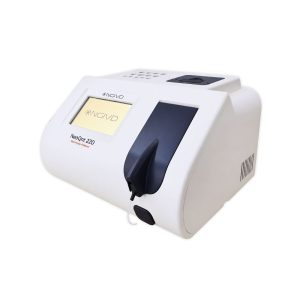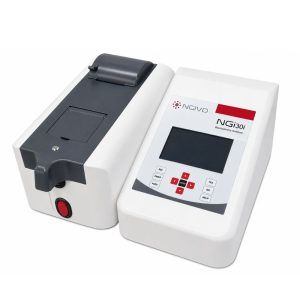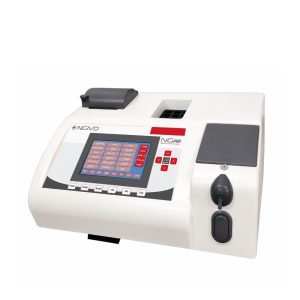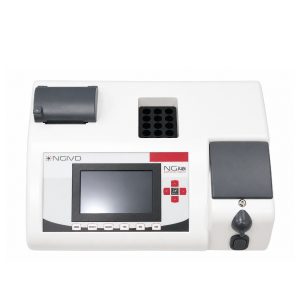

NGi-200 Fully Automated Biochemistry Analyser
NGi-200 delivers up to 200 tests/hour with random access operation, intelligent automation and precise clinical chemistry analysis.
Description
Product Description
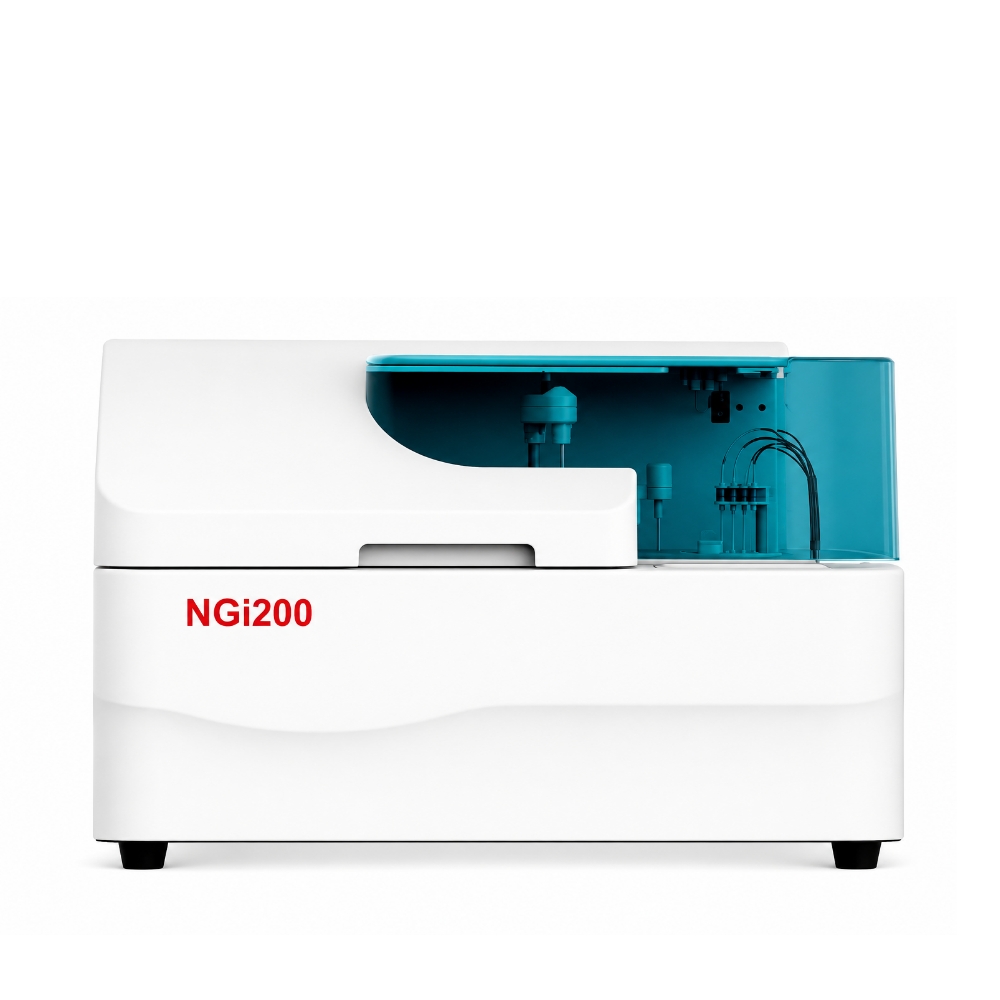
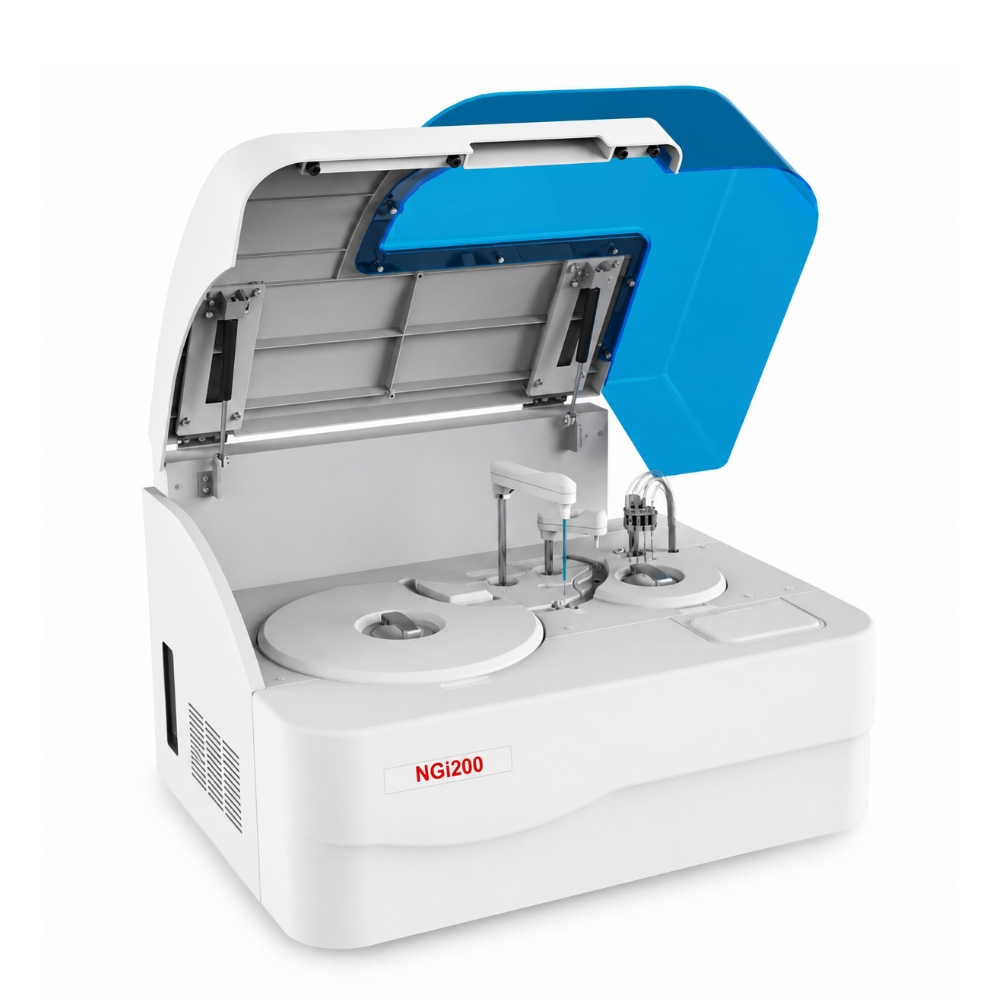
The NGi-200 Fully Automatic Clinical Chemistry Analyzer is a high-throughput, random-access biochemistry system designed to deliver accurate, reliable, and efficient clinical chemistry testing. With a throughput of up to 200 tests per hour, advanced optical technology, intelligent sample handling, and continuous reagent cooling, it is ideal for medium to high-volume laboratories, hospitals, and diagnostic centers.
Featuring independent sampling and mixing systems, precision ceramic dispensing technology, automatic quality control management, and a user-friendly software platform, the NGi-200 ensures exceptional analytical performance while minimizing operator intervention.
Key Features & Benefits
1. High Throughput Performance – Up to 200 Tests per Hour
-
- Constant testing speed for routine and emergency workloads.
- Supports both mono and dual-reagent assays.
- Optimized for medium and high-volume laboratories.
2. Random Access Operation
-
- Continuous loading capability.
- Open reagent system with optional closed reagent support.
- Flexible and uninterrupted workflow.
3. Independent Probe & Mixing System
-
- Dedicated sampling probe and independent stirrer.
- Reduces carry-over and improves analytical accuracy.
- Faster processing and enhanced reliability.
4. Precision Sampling Technology
-
- Sensitive liquid level detection.
- Automatic liquid tracking and residual monitoring.
- Collision protection with automatic probe depth adjustment.
- Internal and external probe washing system.
5. Advanced Optical System
-
- High-performance halogen lamp technology.
- Multiple wavelength selection for broad assay compatibility.
- High-resolution absorbance detection with excellent analytical precision.
6. Intelligent Reagent Management – 80 Reagent Positions
-
- 40 positions for R1 and 40 positions for R2.
- Non-stop refrigerated reagent compartment.
- Temperature maintained between 2°C and 14°C.
- Optional barcode identification system.
7. Flexible Sample Handling – 40 Sample Positions
-
- Supports micro cups, test tubes, and blood collection tubes.
- Sample volume from 2–30 μL with 0.1 μL increments.
- Optional sample barcode reader.
8. Efficient Reaction System – 44 UV Reaction Cuvettes
-
- High-transmittance optical plastic cuvettes.
- Reaction volumes from 150–330 μL.
- Stable incubation temperature of 37°C ± 0.1°C.
9. High-Precision Ceramic Syringe
-
- Permanent ceramic piston design.
- Dispensing accuracy as low as 0.1 μL.
- Long-term stability and reduced maintenance.
10. Advanced Software & Quality Control
-
- User-friendly operating interface.
- Automatic sample dilution options.
- Multi-point calibration up to 8 points.
- Linear and non-linear calibration support.
- Westgard QC rules, Levey-Jennings and L-T plots.
- Automatic result validation and warning alarms.
11. Low Carry-Over Mixing Technology
-
- Teflon-coated paddle mixer.
- Excellent mixing efficiency.
- Minimizes sample and reagent contamination.
12. Comprehensive Data Management
-
- Automatic calibration and reagent management.
- Patient data storage and report generation.
- Audit trails and user access management.
- LIS connectivity through TCP/IP network interface.
Technical Specifications
| Parameter | Specification |
|---|---|
| System Type | Fully Automatic Random Access Clinical Chemistry Analyzer |
| Throughput | Up to 200 Tests/Hour |
| Testing Principle | Colorimetry & Turbidimetry |
| Analysis Modes | End Point, Fixed Time, Two-Point End Point, Kinetic |
| Calibration | Linear & Non-Linear, Multi-Point Calibration |
| Sample Positions | 40 |
| Sample Volume | 2–30 μL (0.1 μL increments) |
| Sample Types | Micro Cup, Test Tube, Blood Collection Tube |
| Sample Probe | Liquid Level Detection, Collision Protection |
| Sample Barcode | Optional |
| Reagent Positions | 80 (40 R1 + 40 R2) |
| Reagent Cooling | Continuous Cooling, 2°C–14°C |
| Reagent Volume | 20–300 μL (1 μL increments) |
| Reagent Barcode | Optional |
| Reaction Positions | 44 UV Plastic Cuvettes |
| Reaction Volume | 150–330 μL |
| Reaction Temperature | 37°C ± 0.1°C |
| Mixer | Independent Paddle-Type Mixer |
| Light Source | Halogen Lamp |
| Wavelengths | 340, 405, 450, 505, 546, 578, 630, 700 nm + 4 Optional Filters |
| Absorbance Range | 0 – 4.0 Abs |
| Resolution | 0.0001 Abs |
| Operating Software | Windows-Based Platform |
| Quality Control | Westgard Rules, Levey-Jennings, L-T Plot |
| Reporting | Multiple Report Formats, Custom Templates |
| Connectivity | TCP/IP Network Interface, LIS Compatible |
| Power Supply | AC 110/220V ±10%, 50/60Hz |
| Power Consumption | 650W |
| Water Consumption | ≤ 8 L/hour |
| Dimensions (L × W × H) | 745 × 540 × 530 mm |
| Weight | 45.4 kg |
Core Technologies
1. Multifunctional Precision Sampling Probe
-
- Internal and external probe polishing.
- Automatic probe washing.
- Sensitive liquid-level sensing.
- Collision protection and depth adjustment.
2. Advanced Mixing System
-
- Teflon-coated mixer.
- Efficient mixing performance.
- Reduced carry-over contamination.
3. High-Precision Ceramic Syringe
-
- Permanent ceramic piston.
- Ultra-accurate reagent dispensing.
- Long service life.
4. Intelligent Reagent & Sample Management
-
- 80 refrigerated reagent positions.
- 40 sample positions.
- Optional barcode integration.
5. Advanced Quality Control Platform
-
- Westgard QC management.
- Automatic calibration verification.
- Comprehensive alarm and warning system.
Ideal Applications
- Medium & High-Volume Clinical Laboratories
- Diagnostic Centers
- Multi-Specialty Hospitals
- Reference Laboratories
- Preventive Health Screening Centers
- Routine and Specialized Clinical Chemistry Testing